USDA ANNOUNCES $58 MILLION TO IMPROVE WATER QUALITY AND QUANTITY IN AGRICULTURAL PRODUCTION Program Will Provide Funding for 63 Water Conservation Projects in 21 states WASHINGTON, July 30, 2009 — U.S. Department of Agriculture's Natural Resources Conservation Service Chief Dave White today announced nearly $58 million for water conservation and water quality improvements on agricultural working lands. The funding was made available for 63 projects in 21 states through the Agricultural Water Enhancement Program.
"We must take steps to protect and preserve our water resources, and the Obama Administration is committed to using this program to provide financial and technical assistance to farmers and ranchers to improve water conditions on their land," said White.
The Agricultural Water Enhancement Program (AWEP) promotes ground and surface water conservation and improves water quality by helping farmers and ranchers implement agricultural water enhancement activities. With the services and resources of other conservation partners, AWEP allows the Federal Government to leverage investment in natural resources conservation.
Landowners can obtain funding through AWEP for several types of projects, including:
- Water quality or water conservation plan development, including resource condition assessment and modeling;
- Water conservation restoration or enhancement projects, including conversion to the production of less water-intensive agricultural commodities or dry land farming;
- Water quality or quantity restoration or enhancement projects;
- Irrigation system improvement or irrigation efficiency enhancement;
- Activities designed to mitigate the effects of drought and climate change; and
- Other related activities deemed by the Secretary to help achieve water quality or water conservation benefits on agricultural land.
AWEP was established by the 2008 Farm Bill and funding comes from the Environmental Quality Incentives Program (EQIP). The Natural Resources Conservation Service (NRCS) administers the program for USDA. NRCS implements AWEP by entering into EQIP contracts directly with agricultural producers.
All AWEP recipients must meet EQIP requirements. Though participating AWEP producers do not need to have existing EQIP contracts, they must be eligible for EQIP. All partner proposals were selected competitively. Proposals for priority areas may have received higher rankings, and include property undergoing conversion of agricultural land from irrigated to dry land farming; projects that help producers meet regulatory requirements; and projects located where there is a high percentage of agricultural land and producers in a region or area.
Approved AWEP Projects and Funding by State:
Arkansas - 1 project - $1,383,417
California - 15 projects* - $18,079,101
Colorado - 1 project - $333,000
Florida - 1 project - $1,000,000
Georgia - 2 projects - $2,000,000.00
Iowa - 1 project - $158,950
Idaho - 4 projects - $6,920,000
Illinois - 1 project - $49,440
Indiana - 2 projects* - $554,000
Michigan - 1 project* - $1,500,000
Mississippi - 2 projects - $2,400,000
North Carolina - 1 project - $100,000
North Dakota - 5 projects - $2,253,352
Nebraska - 5 projects - $2,590,000
New Jersey - 1 project - $400,000
New Mexico - 4 projects - $3,328,537
New York - 1 project $500,000
Oklahoma - 1 project - $275,000
Oregon - 8 projects* - $3,605,879
Texas - 5 projects - $10,425,000
Washington - 1 project - $53,600
Total - 63 projects - $57,909,276
Note: Project numbers indicated with an asterisk indicate multi-state projects. For more information about specific AWEP projects visit www.nrcs.usda.gov or the nearest USDA Service Center in your area.
Thursday, July 30, 2009
USDA Announces $58 Million to improve water quality & quantity in agricultural production

Toilet designs making leaps in water savings
There's been a lot of talk lately about toilets and water savings, but the truth is, not all johns are created equal.
The key to good function is good design, experts say.
High-efficiency toilets are the latest in conservation circles. They use 1.28 gallons of water per flush or less, which makes them eligible for rebates. This category also includes dual-flush potties that use the full amount of water for solids, and half that for liquids.
"HETs," as they are known in the industry, are not to be confused with low-flow toilets, the early generation of commodes mandated by federal law in 1994 to use 1.6 gallons per flush.
That's what Charles Cox, of San Bernardino, has. He complained that his low-flow toilet requires two or three flushes to finish the job and in the end is less efficient than the old 3.5-gallon model it replaced.
"Somebody is making a lot of money off selling new toilets," said Cox, a licensed general contractor who installs them. "The very best design in toilets is an outhouse. It doesn't require any water."
But plumbers and conservation experts say design changes have made "lazy flushers" a thing of the past. Still, misconceptions persist.
Manufacturers rushing to meet new standards in 1994 often cobbled together old toilets with new tanks that used less water without actually redesigning the products, said Chris Brown, executive director of the California Urban Water Conservation Council in Sacramento.
Since then, manufacturers have changed molds to enlarge passages inside the bowl and upgraded siphon valves and flappers.
In the early days, there were no performance standards. Manufacturers tested the toilets using golf balls, potatoes and ping pong balls, which did not mimic the form or weight of human waste, Brown said.
Los Angeles Department of Water and Power was the first to study performance after installing low-flow toilets and getting lots of complaints; from that effort came the council's Maximum Performance Testing, which ranks more than 1,000 models of high-efficiency toilets and is the source for water district rebates.
Toilets make the list only if they can flush at least 350 grams of material, which equates to a little larger than a medium-sized potato, said John Koeller, the council's technical adviser on testing. Many high-efficiency toilets flush as much as 1,000 grams of material and earn the U.S. Environmental Protection Agency's WaterSense label, a program similar to EnergyStar that rates the most efficient appliances.
Koeller and tester Bill Gauley pride themselves on the reality of their test medium, developed in 2002 and now an industry standard. They tried silly putty, oatmeal, cereal and other products to replicate the real thing before settling on soy paste encased in condoms.
The toilets work using two types of technology: gravity, which pushes or pulls waste out of the bowl using a siphon, and pressure-assist, which uses compressed air in the tank to force water through the bowl and into the trap, said John Raya of Plumbing Concepts Inc. in Yorba Linda, a certified green plumber trained in conservation.
Compared to a 3.5-gallon-per-flush toilet, a high-efficiency model could save a family of four about 15,600 gallons a year; a dual-flush version would conserve almost 18,000 gallons. The toilets cost $200 to $300, and many water districts have rebates that cover half the cost or more.
"Some of this is buyer's education and being aware and finding the right product," Raya said. "There's still a lot of old-
Wednesday, July 29, 2009
Water Conservation: it benefits everyone | West Texas
Odessa, Texas - Due to the efforts of our water supplies, CRMWD, Odessa has had a sufficient, yet limited water supply. We can use the water we need, but it is important that we work together to prevent water waste. So...Stop that Drip! - Leaking faucets and toilets are not only annoying, but they are expensive. One small leak can waste up to 5,000 gallons a month. This would add about $16.90 to your monthly water bill at Odessa's current water rate. if the leak occurs during December, January, and February, the months when your sewer billing is determined, it will also cause your sewer bill to be higher. No doubt it will pay to fix those leaks!Sing Short Songs in the Shower! - Showerheads deliver between 2.5 to 8 gallons per minute (gpm) depending on when it was purchased. So every minute in the shower counts. The Texas Water development Board states that installing water effecient shower heads is the single most effective conservation step that can be taken inside the home. Converting from a 8 gpm showerhead to one that delivers 2.5 gpm will save 825 gallons per month for each person taking that 5 minute shower. If you prefer baths to showers, limit the amount of water in the tub. You can further increase your water savings by turning off the water when you brush your teeth and shave.Longing for Lush Lawns? - You can have a beautiful yard and still conserve water. Plant yard cover, trees, shrubs and plants that are drought tolerant. Only water and fertilize your plants as needed. NEVER water in the heat of the day. Rather water early in the morning when temperatures, wind speed and the resulting evaporation are lower. Also control the water so that it does not run off your property - it's a waste of water and a nuisance to those who drive through the water.Want more water saving tips? The Utilities Department will be glad to mail you a brochure if you call 335-4625.If you would like to review Odessa's Water Conservation and Drought Contingency Plan, it is available at the the website at www.odessa-tx.gov.
Xeriscaping help is available locally at Carlsbad

Judith Ortego, Carlsbad Soil and Water Conservation District information and education officer, checks out the bird of paridise plant growing in the organization's xeriscape demonstration plot. Area residents interested in xeriscaping their land and conserving water are invited to drop by the CSWCD office learn about the numerous plants and grasses that provide color to gardens, yet require only minimal water. The office and demonstration plot is located at 3219 S. Canal St. Stella Davis/Current-Argus
Read article at:http://www.currentargus.com/ci_12911319
Report: Big Water Savings Possible in California's Ag Land - Environmental Capital - WSJ
The knives came during California’s budget battle — literally. But there’s still at least one big tussle in the Golden State left this year: solving the state’s water crisis.
AFP/Getty Images
Every drop counts.As the Wall Street Journal reported earlier this month, Gov. Schwarzenegger and legislative leaders are planning a big push to address water shortages in the state, which has suffered a three-year drought. Everything from new reservoirs to urban conservation efforts is being considered.
But a big lever, according to a new study out of the Oakland-based Pacific Institute, is getting farmers to use H2O more efficiently.
The finding is no great surprise. The Institute’s co-founder Dr. Peter Gleick has long advocated a “soft path” for water (freeing up new supply by curbing waste). And he’s been a critic of what he calls misinformation about the plight of Central Valley farmers. He says that they’re getting more water than they claim, and that the causes for astronomical unemployment rates in some farm communities owes more to the recession and poverty than the drought.
What’s interesting about the analysis is just how much the authors think a combination of irrigation technologies and management practices can save: 5.6 million acre-feet in an average year. That’s 17% of all water used by California farmers, and more than twice the total the state’s millions of city-dwellers could save if they wised up about their water use. It’s also a whole lot more than the enormous desalination plant in Carlsbad, Calif. will produce when it comes online.
The report reiterates what demand-siders in both the water and energy debates have been saying for a long time: Spending money on capital-intensive projects (like desalination plants and huge solar arrays) makes little sense when there are cheaper and bigger opportunities in improving efficiency.
But just because efficiency’s cheaper doesn’t mean it will be easy. In the case of California’s ag sector, the study’s authors admit, lots will have to change — from state laws to the incentives farmers get for employing efficient irrigation methods.
Fair Oaks Ranch to impose hefty surcharge to encourage water conservation
Dr. Barry Swartz is among the 2400 residents of Fair Oaks Ranch who's watching his landscape wither. "Basically we haven't been watering our lawn at all and you can see it's doesn't do too well," Swartz said.
Stuart Brown runs past yards getting drier by the day and he says, "They're pretty dead...as you can see, there's brown grass, no real green grass."
But there is some real green grass on a few yards. While the average homeowner in fair oaks ranch uses 25,000 gallons of water a month, a quarter of the residents are exceeding that number.
Ten homeowners used more than 100,000 gallons each last month..The August bill for 100,000 gallons would be $723.65. Using the same amount next month and adding on with the drought surcharge just approved...the bill would nearly double to $1273.00. Fair Oaks is in Stage one water restrictions about to enter Stage 2, but it's hard to enforce.
Mayor Dan Kasprowicz says " We only have 13 policemen on duty 2 at night. Since most of the water violations involved landscape watering at night, its just impossible to police all that."
So they're using a monetary penalty along with citations. Residents who are watching their yards dry up think it's a good idea.
"Pinch em in the pocketbook and that's probably the best way to get them," said Fair Oaks resident Yvonne Brown.
Fair Oaks imposed a water surcharge back in 2000 with good results and are expecting even more conservation now.
"Especially in these times I think people will look at the economics a lot more than they did back then," Mayor Kasprowicz said.
Fair Oaks gets it's water from Canyon Lake and the Trinity Aquifer. The drought surcharge will take effect in the August billing cycle and show up on September bills.
Tuesday, July 28, 2009
Water agency looks at water conservation
Water conservation and strict new state requirements for state grants and loans were the subject of a special meeting of the Amador Water Agency directors on Thursday.Eligibility for state grants and loans is now conditioned on the agency's compliance with state-mandated water conservation measures. The state goal? To reduce per capita water use by 20 percent by the year 2020. The state goal includes residential, commercial and industrial potable water use, and does not factor in agricultural water use.Leslie Dumas of RMC Water and Environment, a consultant for the agency, presented details on the 14 Best Management Practices for water conservation developed by the California Urban Water Conservation Council, that are now the basis for the state's water conservation effort.These BMPs include a conservation coordinator for the agency, public information and school education programs, rebates for high efficiency plumbing fixtures and washing machines, mandatory water metering, tiered water rates, water audits for customers and for the Agency system, incentives for large users, and ordinances prohibiting water wasting. The agency must demonstrate progress toward implementing all 14 BMPs when applying for any state water project grant or loan.AWA Board President Terry Moore said that agency directors support water conservation efforts and aren't motivated solely by the new requirements for state money. Moore said that stepped-up water conservation efforts would save the agency money by reducing the amount of water treatment needed and lowering energy costs. On the other hand, District 1 Director Bill Condrashoff noted, "The less water we use, the more we pay," referring to the impact a 20 percent reduction in water sales would have on the Agency tasked with providing county-wide water infrastructure and maintenance, regardless of how much water is used. Directors will also have to wrestle with how to pay for new activities, rebates and incentives at a time when the Amador Water Agency has cut over $600,000 in operating costs from its current budget and recently reduced rate increases.Katherine Evatt, representing the Foothill Conservancy, called conservation "the least expensive, most reliable source of new water" for the county's future and said she was very happy with the direction of the agency's water conservation planning.Directors Don Cooper and Debbie Dunn volunteered to form an ad hoc committee to develop a formal water conservation policy statement for consideration by the full board in August. Another public workshop will be held later this summer to review and take public comment on a draft plan for addressing the 14 required water conservation BMPs.
Significant water conservation seen in Los Angeles
LOS ANGELES—The nation's second-largest city is making significant progress in conserving water.The Los Angeles Department of Water and Power reported Monday that water demand in June was at a 32-year low for the month.
Water use by single-family customers last month was 12.7 percent lower than in June 2008 and nearly 17 percent lower than in June 2007, when residents were first asked to cut use by 10 percent.
Water conservation became mandatory on June 1, with use of outdoor sprinklers restricted to two days a week, and other measures.
The city is facing a shortage because of drought and regulatory restrictions on supplies.
Monday, July 27, 2009
Paying attention to individual water conservation methods can help municipalities in their overall conservation efforts
TAVARES -- No matter how much falls from the sky or bubbles up from underground springs, water availability will always be a concern in Florida.
So, preserving and managing its usage are the responsibility of communities and individuals alike.
To help residents of Tavares better monitor water use, the city is hosting a water conservation seminar 5 p.m. today at the Tavares Civic Center.
"The purpose of the seminar is to save Tavares water customers millions of dollars, which will be required for future capital expenditures if customer behavior is not modified," said Brad Hayes, the city's utilities director. "It is also designed to benefit both residential and business customers."
Water conservation consultant Ida Roberts will conduct the seminar. Her 20 years in this field has given her a wide berth of experience, especially when it comes to the greatest single gulper of water in the state.
"Depending on the community, irrigation uses 50-75 percent of the water in anyone's home," Roberts said. "More grass in Florida dies from overwatering than underwatering."
That's just one of the topics she'll address in her presentation. Other subjects include how to train St. Augustine grass to require less water, the installation of micro-irrigation for plants and shrubs, selecting flowers which need little supplemental irrigation and federal, state and local government laws which require water conservation standards for plumbing fixtures and water-using appliances. Roberts will also offer water saving tips for hotels, restaurants, apartment buildings, hospitals and other businesses.
"I find communities and their residents very receptive," Roberts said. "Unfortunately, the people who come are already interested. So, I'm trying to get as many people as possible to attend the seminar, because once they learn about the aquifer and the ways to save water, they get very conscious of it. That will not only benefit them immediately in money savings, in the long term, it will really benefit them, because treating surface water is very, very expensive."
City provides free screening of new water conservation documentary
The Allen Public Library will host a free screening of the new water conservation documentary, "Texas: The State of Flowing Water” Monday evening.The documentary lasts approximately 1 hour and 15 minutes and will be followed by raffle drawings for various prizes.“Texas: The State of Flowing Water” examines water resource threats facing Texas and looks at what people can do to protect the state’s most precious natural resource. The documentary features images of rivers, springs, bays and estuaries, plus interviews with a wide array of experts, stakeholders and policy makers in Texas. It is the fourth in an award-winning series of water resource documentaries produced by Texas Parks and Wildlife Department (TPWD).“It’s important for the city to promote conservation because water is a renewable resource and we cannot make more,” said Andrea Smith, water education specialist. “A significant portion of water we drink in the future is water we’re conserving today.”Smith said the documentary was also shown earlier in the month and had an adequate turnout.“We had close to 50 people watch the video last time, which is a good turnout, but this is something that everyone needs to see,” she said. “The reason why we’re showing the film is to bring awareness of the water in the state and why it’s important to conserve.”The documentary is made possible in part by a grant from the federal Sport Fish Restoration Program, which funds nearly $18 million in Texas conservation efforts each year from purchases of fishing equipment and motorboat fuels. It is part of a multi-year TPWD communication initiative called “Texas: The State Of Water,” supported this year with additional sponsor funding from the San Antonio River Authority, Brazos River Authority, the Texas Water Foundation and the Texas Parks and Wildlife Foundation, according to the documentary’s companion Web site.Among other things, the documentary will explore the vital importance of water for humans, as well as the diverse groups of fish and wildlife that depend on water for survival. The video will look at the threats facing Texas’ waterways and what can be done to protect the natural resource and diminish the risk of future water shortages. Impacts to the natural flow of rivers will be examined, including a profile of the Fastrill Reservoir project, which is proposed for the same area where a new national wildlife refuge is being created on the Neches River.Climate change is a new topic explored in “The State of Flowing Water.” The documentary will follow the trend of how changing weather conditions and patterns could alter Texas ecology. It will also examine the importance of keeping Texas rivers flowing into coastal estuaries and bays. It will look at how increasing municipal demand has elevated the importance of water conservation measures. It explores the link between creek beds and aquifer recharge. It shows how more Texans are gaining an appreciation of our rivers and bays through the ever-increasing number of designated paddling trails.The documentary includes a brief look at the trend of green building and how simple steps people can take can collectively do a lot to diminish future water shortages.
Smith also wants to remind Allen residents that July is smart irrigation month.“Allen residents can start conserving water by checking irrigation systems and perform maintenance to make sure there is no unnecessary water loss and adjust irrigation systems seasonally,” she said. “The city also frequently provides classes for more tips.”The free screening of “Texas: The State of Flowing Water” will take place at 7 p.m. on Monday at the Allen Public Library civic auditorium.
Stage 3 Water Restrictions Avoided, for Now - Kerrville
The city of Kerrville avoided Stage 3 water restrictions last week after a brief rain, cooler temperatures and conservation efforts by the community.
Original predictions showed Kerrville headed to Stage 3 restrictions as early as Thursday,
July 24.
Now the city says, "if citizens continue to conserve in the same manner that they did this past week, then Stage 3 of the water conservation plan can be postponed indefinitely."
"The single biggest impact to Kerrville's water system has been the reduction in water usage by the Kerrville water users," a city press release read. "Kerrville avoided stage three by simply conserving water. In fact, water usage for Thursday was one of the lowest Kerrville has had all year."
A brief rain shower moved through the area on Tuesday, dropping between .25 and .4 inches of rain throughout most of Kerrville.
Another factor that helped was several days of cloudy weather that kept temperatures below average.
The seven-day average use for the safe operating capacity of the city never reached the average of 95 percent, which would have automatically triggered stage three restrictions.
"The various stages of Kerrville's water conservation plan are triggered, and directly related to, water availability and water consumption," according to the release.
Last week, the Texas Commission on Environmental Quality cut the city back to one million gallons daily intake from the Guadalupe River -- down from 6.4 million daily gallons at full capacity.
Water users can monitor the city's water usage table online at www.kerrville.org/index.aspx?nid=513.
The public is encouraged by the city to visit the site daily and, city officials said, "do their part in conserving water to avoid the inconvenience of entering Stage 3 of the conservation plan.
Friday, July 24, 2009
Redway Level 2 Water Conservation Measures
Redway Community Services District is currently having a severe water shortage. Water is being used faster than our system can produce it.Effective July 16, Redway Community Services District is in a Level 2 Conservation Alert. Level 2 includes many mandatory water restrictions. In addition, all voluntary Level 1 conservation practices become mandatory. The Level 2 restrictions include:
* Landscape irrigation is limited to no more than two assigned days per week. Homes and businesses with odd-numbered addresses can water Sunday and Wednesday; homes and businesses with even-numbered addresses can water Tuesday and Saturday.
* On your watering day, you may only water from 5 a.m. to 10 a.m.
* Landscape irrigation using sprinklers is limited to no more than ten minutes maximum per watering station per assigned day (does not apply to drip, micro-irrigation).
* Trees and shrubs not irrigated by a landscape irrigation system may be watered no more than two assigned days per week by using a hand-held container, hand-held hose with positive shut-off nozzle, or low-volume soaker hose.
* Vehicle washing is permitted only in the hours between 3 p.m. and 6 p.m. with a hand-held container or a hand-held hose with a positive shut-off nozzle for quick rinses, or at any time on the immediate premises of a commercial car wash. Vehicle washing required for public health and safety is exempt.
* Water use by commercial car washes which do not use partially re-circulated water will be reduced in volume by an amount determined by the Board of Directors.
* All leaks must be stopped or repaired upon discovery or within 72 hours of notification by Operations Manager.
* Birdbaths, fishponds and any ornamental water feature using a re-circulating pump and which does not shoot water into the air are allowed under Level 2. Water fountains which discharge into the air a jet or stream of water are banned under Level 2 restrictions. However, these fountains may be operated for maintenance purposes. Any water feature that does not re-circulate water is banned.
* Use of recycled or non-potable water is required for construction purposes when available.
* Water use from fire hydrants is limited to fire fighting only. Construction operations will not use water obtained by a fire hydrant.
Friends and neighbors are encouraged to remind one another of these guidelines if they see water being overused or wasted.
Level 1 Voluntary Measures (now mandatory)
1. Avoid use of water which results in flooding or run-off in gutters, waterways, patios, driveway, or streets.
2. Do not use water for washing cars, buses, boats, trailers or other vehicles without a positive shut-off nozzle on the outlet end of the hose. Exceptions include washing vehicles at commercial or fleet vehicle washing facilities operated at locations where equipment using water is properly maintained to avoid wasteful use.
3. Do not use water for washing buildings, structures, sidewalks, walkways, driveways, patios, parking lots, tennis courts, or other hard-surfaced areas in a manner which results in excessive run-off or waste.
4. Limit use of water for watering streets with trucks, except for initial wash-down for construction purposes (if street sweeping is not feasible), or to protect the health and safety of the public.
5. Limit use of water for construction purposes, such as consolidation of backfill, dust control, or other uses unless no other source of water or other method can be used.
6. Water outside plants, lawn, landscape, and turf areas no more often than every other day, as noted on page one of this notice. This provision shall not apply to commercial nurseries.
8. Water outside plants and turf areas using a hand-held hose only with a positive shut-off valve.
9. Eliminate use of water for decorative fountains or the filling or topping off of decorative ponds. Exceptions are made for those decorative fountains, lakes, or ponds which utilize recycled water.
10. Please restrict use of water for the filling or refilling of swimming pools, spas or hot tubs. Do not allow children to play with a running hose.
11. Limit service of water by any restaurant except upon the request of the patron.
12. The District may limit the use of water through any connection when the utility has notified the customer in writing to repair broken or defective plumbing, sprinkler, watering or irrigation system and the customer has failed to make such repairs within five days after receipt of such notice.
Additional common sense conservation methods include, but are not limited to the following:
13. Turn off water when using sinks and brushing teeth.
14. Place a bucket or two in your shower to catch the water while warming up, and use it to water plants.
15. Run only full laundry and dishwasher loads. Most dishwashers do not require dishes to be pre-rinsed, just scraped before loading.
16. Always set a timer when watering outside to remind you to move or shut off sprinklers after 10 minutes.
Thursday, July 23, 2009
La Verne ups the ante on water conservation - ContraCostaTimes.com
LA VERNE - The City Council voted to enact mandatory water rationing at its Monday night meeting.The "phase III" plan calls for penalties beginning Aug. 1 for those who don't reduce water use by 10percent.The city was at "phase I," which called for voluntary cuts in water use. "Phase II" was skipped to show residents the seriousness of water shortages, said Mayor Don Kendrick."I think it is important to raise the bar of urgency," he said. "To let people know we are not in a non-emergency situation."The penalties for multifamily units, commercial and industrial buildings will be $2.61 per each 1,000 gallons beyond the allotted amount.For residential homes, the penalties get more serious as more water is used. Penalties range from 18 cents per 1,000 gallons to $2.61 per 1,000 gallons, administrative superintendent Jeanette Vagnozzi said.Allotments are based on individual month averages from 2004, 2005 and 2006, city officials said.
Kendrick said the increased urgency is not a sign that the voluntary "phase I" plan was failing.Residents voluntarily had cut water use by about 13 percent, officials said."We want more people to participate," Kendrick said. "More than likely, the residents of La Verne will go much beyond the 10 percent."Fliers and informational packets will be distributed to residents via water bills. City officials also plan to host community meetings.Alongwith the cuts, a few new rules also will kick in.
They include: fixing plumbing issues within 48 hours, no water runoff, using hoses with a valve turnoff while washing cars, no sidewalk spraying, and no use of decorative fountains unless the water is recycled, Vagnozzi said.
Atlanta's main water access placed on 2012 deadline
Georgia, and the city of Atlanta in particular, could be facing dry days ahead if leaders from two other neighboring states can’t negotiate an agreement within the next three years.
According to the Associated Press, Florida, Alabama, and Georgia remain in a deadlock over the fate of Lake Lanier, but could be forced to the bargaining table, leaving Georgia politicians in a tight situation – either succumb to strict demands by neighboring states, such as tight water efficiency standards, costly construction and infrastructure projects, and round-the-clock checkpoints, or leave Georgia out to dry by cutting water supplies to levels they were decades ago.District Court Judge Paul A. Magnuson ruled July 17 that Georgia was required to cease all activity and water withdrawals from the lake immediately, as the water reservoir is protected for alternative uses of power, and does not exist as an unrestricted supply for the city. Usage of Lake Lanier, Atlanta’s primary water source to over 5.5 million as of 2009, must undergo permission by Congress if the city wants access to it.
Larry Sanders, Interim Director of the Turner Environmental Law Clinic at Emory University Law School, stated that the tri-state predicament is unusual, and that Judge Magnuson’s district court ruling is based on issues of legality, not on who needs or wants the water most.

Water-saving fixtures now required in new Los Angeles buildings
New buildings in Los Angeles will be required to have low-flow faucets, toilets, urinals, shower heads and other plumbing devices under a law passed today by the City Council.
Officials with the Department of Water and Power said the water conservation ordinance, which is part of the city’s Green Building program, would reduce water consumption in new buildings by 20%. The measure would help building owners save money as well, said Council President Eric Garcetti.
“A waterless urinal gives you a return on your investment in the same year that it is purchased,” he said.
Water-efficient devices also will be required when property owners upgrade their plumbing fixtures, city officials said. As more fixtures are installed, “water conservation will become a way of life without people even having to think about it,” said DWP General Manager H. David Nahai.
visit www.nrgideas.com for low flow water saving fixtures.
Wednesday, July 22, 2009
Report Finds Huge Potential for Conservation to End California's Water Crisis
A report released today by California's Pacific Institute estimates that reasonable water conservation improvements on the state's farms could save a huge amount of water--far more than what farmers have been forced to relinquish to protect fish habitat during the state's ongoing drought. The amount that could be saved, 1.8 trillion gallons annually, is more than 15 times the size of the municipal supply of San Francisco.
The report, Sustaining California Agriculture in an Uncertain Future, provides considerable ammunition to environmentalists their fight with farmers over the West's dwindling water resources. In the midst of the third year of drought in California, growers are blaming endangered species laws for crimping their water supply and contributing to more than $1 billion in lost revenue this summer. Though they've used their plight to call for weakening environmental regulations and building more dams and reservoirs, the report suggests their efforts are misplaced. Smarter conservation has allowed some growers "to increase their income, crop yields, and production, even during drought," says Pacific Institute president Peter Gleick. "Such success stories offer the state a vision of what a healthy agricultural future might look like."
The water conservation methods that the Gleick studied are already in use in the state, though many farmers cling to older practices. For example, 60 percent of crops in California are still irrigated by flooding the field, even though drip irrigation methods can easily halve water use. The report also suggests that farmers apply less water to crops during drought-tolerant growth stages and use sensors that can detect when soil is dry.
These ideas can seem far-removed from our lives until we realize that the products we consume account for more than 90 percent of our daily water use, far more than what comes out of our taps. I explore this idea in "What's Your Water Footprint," a piece in the current issue. The Pacific Institute and other environmental groups eventually hope the concept of a water footprint will catch on much as carbon footprints have. The idea could be used to reward farmers who do the right thing, either with tax breaks, loans, or a premium for the products they sell.
The case for looking at carbon footprints and water footprints together is stronger than ever. A new study from the University of Colorado found that climate change creates a 50 percent chance that the reservoirs supplied by the Colorado River, the West's main water source, could run dry by 2057. If that happens, all the water conservation technology in the world still probably won't save us.
Kids Learn Conservation At Summer Camp

Tuesday, July 21, 2009
3-year countdown begins for Atlanta's water future
ATLANTA — Georgia faces the dire prospect of losing metropolitan Atlanta's main water source if political leaders can't broker a solution with Alabama and Florida over rights to a major reservoir within three years.
That doomsday scenario would cut off water for more than three million residents, driving a stake through the heart of Atlanta's decades of rampant growth and threatening one of the Southeast's main economic engines amid a sour economy.
Experts say they doubt a recent federal court ruling will shut the taps off, but it does put Georgia in a weak position and could finally push the three states back to the negotiating table after nearly two decades of stalemate.
After all, said Atlanta Regional Commission Chairman Sam Olens, "FEMA isn't going to provide enough trucks to have drinking water for 4.5 million residents" in the Atlanta region.
Georgia could be forced to make significant concessions to Florida and Alabama that it so far has been unwilling to adopt.
The costly measures could include spending hundreds of millions of dollars on new water infrastructure, establishing tighter water restrictions during droughts and offering homeowners and businesses rebates to install more efficient toilets, dishwashers and washing machines.
"It's the worst possible decision, that's for sure," said Michael Andel, chief of staff to Democratic U.S. Rep. David Scott of Atlanta, echoing comments from other Georgia officials.
Friday's ruling by U.S. District Court Judge Paul Magnuson found that nearly all Georgia's withdrawals from Lake Lanier are illegal because the lake wasn't built for water supply.
Magnuson acknowledged the decision was "draconian" but said he had to recognize how far the lake's operation had strayed from the law.
The governors of Alabama and Florida celebrated the ruling, while Georgia Gov. Sonny Perdue vowed to fight, saying he would appeal the decision while at the same time working for a favorable outcome in Washington.
Both of those approaches could prove difficult. A federal appeals court in Washington already ruled against Georgia in a related case last year, and Georgia lawmakers would face an enormous challenge to overcome resistance in Congress from their Florida and Alabama colleagues.
Georgia's congressional delegation scheduled an emergency meeting for Tuesday afternoon. But they were looking to Perdue for guidance, and leaders in all the states said any compromise would require significant leadership at the state level.
"I think the governors all felt they were likely to be victorious. I kept telling them that if you don't settle it, somebody's going to win and somebody's going to lose," said U.S. Sen. Jeff Sessions, R-Ala. The clear victory for Alabama and Florida "strengthens our hand in a number of ways," he said.
"I don't see Congress resolving this," said U.S. Rep. Allen Boyd, a Democrat who represents parts of the Florida Panhandle downstream from Georgia. "I think it's important that the governors come to grips with this and get it resolved."
The three states have dueled like thirsty children fighting for a swig from a water fountain since 1990. And despite summits, lawsuits and a long-running legal battle, the states have yet to resolve the regional tug-of-war over water rights.
Georgia, which just emerged from an epic drought, contends the issue is about the survival of its biggest metropolitan area. Lake Lanier and other north Georgia federal reservoirs help supply the fast-growing Atlanta region — about half the state's population — with drinking water.
But Florida and Alabama depend on healthy river flow downstream for commercial fisheries, farms, industrial users and municipalities. The Army Corps of Engineers also is required to release adequate water to ensure habitats for species protected by the Endangered Species Act.
The two states challenged Georgia's use of the water, saying their neighbor was abusing a lake that was initially built for hydropower — not providing water.
Magnuson agreed, concluding water need was only an incidental purpose for the lake. He ordered the lake's water usage to be kept at current levels for three years.
If an agreement isn't reached by then, he said the lake's operations would return to the 1970s level — when Atlanta was only a fraction of its current size.
Perdue, a Republican whose term ends in 2011, will face increasing pressure to forge a deal before his successor takes office.
"The three governors ought to come together quickly ASAP to discuss the decision and craft a joint resolution," said state Rep. Tyrone Brooks, a leading Atlanta Democrat. "Or else the hammer is coming down on us."
Florida and Alabama may also be more inclined to negotiate with Georgia rather than risk an unfavorable outcome in Congress or by the courts on a possible appeal — particularly if Georgia is willing to hand over long-sought concessions.
"The fact of the matter is we can do more with water conservation that would be appealing to the governors of Alabama and Florida," Olens said.
"This conflict should have been resolved long ago," said Daniel Sheer, founder of HydroLogics, a national water planning consulting company that has worked with Atlanta municipalities. "There really is quite enough water to do everything you need to do."
But, he said, "There is an enormous amount of bad will and an enormous amount of political posturing going on, politicians getting elected by exploiting the conflict ... particularly among the governors."
Environmental groups hope the judge's ruling sounded the alarm about the importance of conservation efforts.
"It's a definite signal to Atlanta to examine the way it's been growing the past 30 years and whether that's keeping with the water resources," said Gil Rogers of the Southern Environmental Law Center. "I think this ruling is a signal we can't afford that kind of attitude anymore."
Water News | News for Dallas, Texas
A draft report suggests conservation is the best way to help meet the future water needs of the rapidly growing Travis County area.
Public comment on the review done for the Lower Colorado River Authority will be sought in the fall. The Austin American-Statesman reported Tuesday on the Draft Water Supply Resource Plan.
The document found, even with rapid population growth and industrial expansion, demand for LCRA water is not expected to outstrip the utility's supplies until 2080.
Jennifer Walker, a water resources specialist for the Sierra Club, served on an LCRA water conservation task force. She says the value of looking far into the future "all depends on how you plan on using that water supply."
Heat wave affects water use, people's health in region | water, heat, city
City and county departments are offering up a variety of advice for residents concerning the heat wave currently taking place.
The City of Porterville Water Utilities Division announced that it is important to consider water conservation as the temperature climbs.
“With the heat the way it is, we would ask people to help conserve water so there will be plenty for everyone to use,” Water Utilities Superintendent Richard Mulvihill said.
Mulvihill cited sprinklers as the biggest possible water wasters.
“Ways to conserve [water] include running full loads in washing machines and fixing leaky faucets or toilets,” he said.
The Tulare County Office of Emergency Services is asking people to ensure personal safety by staying cool by following some “extreme heat” tips:
-- Drink lots of fluids to maintain hydration.
-- Dress in loose, light-weight clothing.
OES officials, through a news release issued Monday, said those with chronic health conditions, especially, are vulnerable to the rising temperatures because certain medications are known to inhibit the body’s ability to control temperature.
The heat also worsens the quality of the air, which can aggravate any respiratory symptoms that are already present, OES officials report.
Ramona Contreras, Sierra View District Hospital’s marketing director, said people should try to avoid the hottest time of day.
“When venturing out into the heat, try and stay in the shade as much as possible,” she said.
Contreras said the hospital had no heat-related emergencies as of Monday afternoon.
The City of Porterville has established a series of cooling centers, which are available Monday through Friday during regular business hours for the rest of the summer: City Hall, the Public Transit Center, the Porterville Public Library, and the Porterville Heritage Community Center.
Matt Damon Working Toward Global Access to Safe Water » water.org
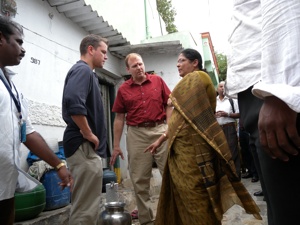
Matt is making some big strides to provide clean water and sanitation to communities in developing countries.Damon’s non-profit H2O Africa has joined forces with the Kansas City-based WaterPartners to become Water.org and will continue to work hard to solve the water problems in AfricaMatt Damon, H2O Africa co-founder, and Gary White, WaterPartners executive director and co-founder, have joined forces to co-found a new organization – Water.org – a non-profit focused on bringing access to safe water and sanitation to the developing world. Water.org will leverage grassroots awareness-building expertise and nearly two decades of demonstrated innovation and success in the sector to help the nearly 890 million people without safe water and the more than 2.5 billion people without safe sanitation.Matt Damon, a long-time advocate for safe water issues, explains the importance of launching Water.org. “Every 15 seconds, a child in the developing world dies from water-related disease. After visiting project sites in Africa and Asia with Gary, I’ve seen the problem and the impact of safe water.” Damon said, “As a clear leader in the sector at delivering innovative and sustainable solutions for those in need, WaterPartners was the natural choice with whom to work to truly affect lasting change.”Water.org co-founders Gary White and Matt Damon discuss the water crisis with Mrs. T. Nanda Vardhan, secretary with Water.org's local partner SIDUR, in a slum of Hyderabad, India.
Monday, July 20, 2009
Residents learn about water conservation
NATCHEZ — Without much more than a bunch of 50-gallon drums and brass spigots, Adams County residents were learning the art of water conservation Saturday morning.
Approximately 40 city and county residents gathered at Stine Lumber for a demonstration on how to turn the simple white drums into rain-collectors.
Once filled, the rainwater captured in the barrels can be used to water gardens and cut back on water bills, event organizer, Stine Lumber employee and Adams County Green Alliance member, Steve McNerney said.
“People can feel good about recycling rainwater and save money on watering,” McNerney said.
Aside from the recycling and money saving aspects the rain barrels generate, there’s also an environmental benefit.
“This keeps at least some of the water from washing through the street collecting pollutants and then heading into our water system,” he said. “It’s not a lot, but it helps.”
And the actual construction of the barrels is something virtually anyone can do, said Adams County Extension Service Director David who was at Saturday’s event.
Not including the time it took to drill the necessary holes for rainwater collection, the spigot and a runoff valve, it took Carter moments to assemble the barrel.
Once assembled the barrel, with a three-inch screened hole in the top, is placed under a gutter or corner of a house where rain falls uncollected.
Once filled the water is utilized with a spigot that can be connected to a hose.
“It’s not rocket science,” Carter said to the audience as he fixed the spigot to the bottom of the barrel.
Photo by Hannah Reel
Participants assemble their rain barrels.
Carter said while rain barrels can be purchased for around $150, one can be made at home for approximately $30.
“And if you rummage around the house for the stuff you need, it could probably be done for $15,” Carter said.
And it doesn’t take a deluge to fill the barrel either.
Carter said one tenth of an inch of rain will fill the barrel if it’s properly placed.
“In a year’s time you could fill 100 of these barrels. And that’s money you’re not spending on water,” he said.
And for serious gardeners like Kelly Parks, a master gardener, the investment in time to make the barrel is time well spent.
Parks estimated that the two barrels she picked-up Saturday, and a few more at her house, would cut back on the water she buys in the coming year by 1,200 gallons.
“I do a lot of watering,” Parks said. “For me, this makes a lot of sense.”
Saturday’s event was sponsored by Stine Lumber Company and Brown Bottling Company, which provided the barrels.
For a $20 donation to the Keep Natchez-Adams Beautiful Association, participants in the demonstration were able to take their newly assembled barrels home.

Water Conservation No Longer Optional - Santa Cruz

Why should anyone care if California salmon, or local fishermen, go the way of the dodo? Can’t we just buy fish from Alaska? And what’s wrong with the farmed stuff, anyway? Because of economic suffering in the Central Valley, some are calling for an end to environmental protections for California’s once-mighty salmon runs.
At the center of the salmon debate is the fate of the Bay-Delta Estuary, the West Coast’s largest and most important estuary. Estuaries are the interconnection between land, rivers and ocean, providing spawning and nursery habitat for commercial and recreational fisheries as well as birds, waterfowl and wildlife. Losing that diversity, turning rivers into canals that no longer support life, risks turning our estuary into a degraded system with more invasive and pest species while local fish, birds, invertebrates and wildlife die off.
Wild salmon is valuable as a harvestable, healthy and tasty food commodity loaded with omega-3 fatty acids. But the health and viability of local salmon has everything to do with the health and viability of the aquatic ecosystem that surrounds us. As biologists will attest, if you want to measure the health of aquatic ecosystems, you need to measure fish.
As salmon begin to go extinct, it sets off a chain reaction in the natural community and a chain reaction for people impacted by loss of revenue from salmon and sport fishing, farming and tourism in the bay delta. It also has major implications for the costs and quality of California’s water supply.As we ignore these warning signs and call for more water and less fish, we miss an important opportunity to prepare for a smarter water future. We have water in California, but an ancient system of rights and distribution leads to some farmers paying higher prices for limited supplies, while others receive full allocations at relatively low rates. Some urban areas use 100 gallons per person per day, while others use more than 300.
We have tremendous potential to grow “new” water supplies with recycling and conservation. Innovators like PureSense are helping growers realize more profit per acre through the efficient use of water. Hydropoint is helping eBay, Lockheed Martin, Cisco, Amazon and Advanced Micro Devices use less water in landscaping. There are reasonable answers to these conflicts if we avoid getting trapped in rhetorical divides.
We could pump water out of this estuary indiscriminately as some are calling for, but at some point, California would still bump up against limitations in the amount of water in its system, the rising costs of extracting and moving it, and increasing droughts from climate change.
We could, in other words, destroy what is left of the most important estuary on the West Coast and still not solve the economic problems facing much of the Central Valley. Sooner or later California is going to have to change how it uses water. We can do it before we lose our salmon, or after.
Friday, July 17, 2009
Restaurants serving water only on request | California Drought
Thirty-seven Coachella Valley restaurants are trying to battle California's drought, one glass at a time. At the request of the Coachella Valley Water District, the restaurants are serving water only when customers request it.
“With this program, CVWD is working with local businesses to raise awareness of the regional water crisis,” said Abby Figueroa, CVWD public information associate.
Sherman's Deli & Bakery in Palm Desert was the first to sign up for the program. The restaurant has been providing water on a by-request basis since November.
General manager Gordon Poster said customers have been supportive of the conservation efforts, which have helped the restaurant save about 125 gallons of water a day.
That's roughly the amount the average person uses over the course of a day, Figueroa said.
For each glass of water served, four glasses of water are needed to wash the cup, according to an Arizona-based water conservation group — Water Use It Wisely — the organization that initiated the water-by-request program for restaurants, Figueroa said.
“Every drop counts and small conservation actions do add up to big savings over time,” she said.
Desert Water Agency supports CVWD's efforts to encourage water conservation efforts in the agency's service area.
“They started the program, and it's working well,” agency spokeswoman Katie Ruark said.
Mission Springs Water Agency, which services Desert Hot Springs, concentrates its water conservation efforts on outdoor landscaping rather than having a commercial focus, said Marilyn McKay, administrative officer for Mission Springs Water District
But savings is savings, she said, and any and every effort to conserve will have to be embraced by water providers.
“To be effective in conservation, water districts are now looking at a portfolio of water conservation programs,” McKay said.
Thursday, July 16, 2009
Sonoma County, California- Water Agency needs immediate conservation
SONOMA COUNTY, CA (KGO) -- The Sonoma County Water Agency put out an urgent call on Wednesday, for "immediate conservation."
Because the agency's pumping stations, along the Russian River, are down they're only able to supply 53 million gallons of water a day.
However, customers have been using 60 million gallons a day since Monday, when temperatures began to climb.
Storage tanks are being drained by the spike in demand, and Lake Mendocino, the agency's main source of water, is down to 64 percent of capacity.
They're asking people in Santa Rosa, Windsor, Rohnert Park, Cotati, Petaluma, Sonoma, Valley of The Moon, and northern Marin County to cut back.
Wednesday, July 15, 2009
"Spare the Water" Alert Issued | Sacramento, California | News
Saving Water While Battling the Heat - Fresno, California, News|
Saving Water While Battling the HeatPosted: July 15, 2009 02:06 AM
By Winston Whitehurst
Be careful how much water you use to shield yourself from the triple-digit heat.
That's the message from Water Conservation officials during this valley heat wave.
They're asking the public to not waste water, and to keep in mind our farmers and firefighters, who also need water too.
Their water-saving tips include checking your plumbing for leaks, avoiding long showers, and making sure not to overuse your sprinklers.
"I think folks are starting to understand, especially in the valley now, with so many people suffering, so many farmers and farm workers suffering, it affects us too, it affects our economy. So I think it's important," said Nora Liakam, Water Conservation Supervisor.
They also recommend drinking plenty of water throughout the day, and limiting time outside to the morning and night.


Tuesday, July 14, 2009
City asks you to water responsibly - Daily Democrat Online
July is Smart Irrigation Month. Most homeowners tend to overwater their lawn or waste water through inefficient practices, according to Joyce Jones, temporary water conservation coordinator.Adopting water-savvy routines is essential to maintaining and extending our community's water supply, especially during peak use. The key to efficient outdoor irrigation is applying just enough water and only when necessary. Water-wise habits will conserve water and result in a healthier lawn and landscape. The Irrigation Association named July Smart Irrigation Month to provide tips about smart practices and new technology.
Directions for your Irrigation Timers
You only need to worry about your irrigation timer four times a year.
• In the spring, turn your timer back on to water no more than 3 days a week when the weather warms up and the soil starts to dry out. These are perfect times to look over your irrigation system and fix broken sprinkler heads or other problems.
• In the summer, once it starts getting really warm outside, you can turn up your watering a bit. Remember to turn off the sprinklers for 15 minutes halfway through your complete watering time to allow the soil to absorb the water and prevent water run-off. Best watering plan for our clay soil: water for ten minutes, wait ten minutes for the water to absorb into the soil, and then water for another ten minutes.
• Early fall, as the weather cools down, you can adjust your timers to water less.
• Late fall, when it starts raining, turn your timer off.Public Works encourages all community members to help conserve water by participating in Smart Irrigation Month. During the month of July, take time to check your irrigation systems for leaks.Also be sure your system is set to water in the early morning hours to conserve water (the hours between 2 a.m. and 6 a.m. are the best for watering your lawn). For more information on Smart Irrigation Month, visit the website: http://www.smartirrigationmonth.org.
For water timers and outdoor water saving products visit:
www.nrgideas.com
Surge in water saving | PressDemocrat.com | The Press Democrat | Santa Rosa, CA
Margaret Partlow was getting tired of watering the asphalt.
Partlow, who manages the Santa Rosa Southside shopping center on Santa Rosa Avenue that is home to REI and Cost Plus World Market, turned to the city of Santa Rosa for help last year.
She signed on with the city’s “Green Exchange” program, which offers rebates to customers who pull out lush lawns and replace them with drought-resistant plants.
“It just used to bother me to death that we had to water that grass, which has a berm so water runs down onto the parking lot — there is hardly any way to avoid it,” she said. “We thought it was crazy. Why are we watering asphalt?”
As the heat of July marches on, evidence of water conservation is becoming increasingly obvious as homeowners cut back on sprinkler time or abandon lawns altogether in exchange for more drought-resistant plants.
Cities across the county are reporting a voluntary drop in water use in the 25 percent range, matching state demands to the Sonoma County Water Agency that it achieve a 25 percent reduction in the amount of water it pumps from the Russian River.
Santa Rosa created the “Green Exchange” program in the face of increasing restrictions on how much water municipalities can use.
Southside is just one of the approximately 575 Santa Rosa water customers who have taken part in the Green Exchange program. Another 1,300 are lined up to go a little less green in the name of water conservation.
Water Therapy shower head envelops you with soothing colors
WaterTherapy shower head envelops you with soothing colors
Click to view largeDownload full size (32 KB)There's nothing quite like a long soothing shower to calm yourfrazzled nerves following a hectic day. The cascading warm watercreates a wonderful tactile sensation, even though in most bathroomsthere's little else to stimulate your other senses.
The WaterTherapy shower head from Guglielmi adds a visual element,with multi-colored LEDs behind each of the 480 nozzles controlled byany of eleven different monochromatic and multi-colored light programs.

Monday, July 13, 2009

The water savers - family saving - The Boston Globe

At their North Reading home, rain barrels have helped the Jenney family cut their water use to just a fraction of the national average.
It may seem paradoxical to New Englanders who spent June carrying umbrellas to work every day to hear that Dighton has a desalination plant that converts saltwater into fresh, and that there are more such plants on the way in the area. “We’re hardly Saudi Arabia,” says Bob Zimmerman, executive director of the nonprofit environmental group the Charles River Watershed Association. “To find ourselves in a situation where cities feel compelled to turn sea water into potable drinking water in a state that gets 4 feet of rain a year is absurd.”
Protecting our water, one citizen at a time
This week feels more like July with sunny, warm days in the forecast. We all know that this time of year brings hot and humid days which can produce strong thunderstorms with heavy rains in a short amount of time. Think about this; 1 inch of rain, running off a 1,500 square foot house equals 935 gallons of water, filling 13 bathtubs. Have you ever thought about how you can protect the soil around your home or farm during one of these storm events? Did you realize that if the soil is not protected, it will run off to the nearest stream or river? If you live in town, it runs off into the storm drain and ends up in the nearest river also. This is called non-point source pollution, and it is the main cause of contamination of our local streams and rivers.So how can you help? Small, simple steps by each of us can make a big difference.
Vegetate all bare areas. Grass, trees and shrubs will help decrease erosion. Cover exposed soil. Plants not only protect the soil but also help clean the air. Use silt fence around construction projects to keep the topsoil in place. This will save money later when you get ready to landscape and eliminate the need to bring in topsoil. Recycle used motor oil. Fix oil leaks on vehicles and farm equipment so it doesn't drip onto concrete or blacktop. The rain will wash the oil into the river. Do not throw litter onto the street or in the ditch in the rural communities; it will be washed into the river. Use a garbage can for your trash and recycle reusable materials. Wash your car on the grass or gravel where the water will be absorbed. Cleaning chemicals will wash off the blacktop and drain into the storm drain. Be responsible for your pets or livestock. Fence animals out of the stream, apply manure when conditions are fit, and pick up pet wastes. Be careful when applying fertilizer and pesticides; follow label directions and do not apply if rain is forecast. Direct water away from and around your house. Clean gutters. Direct downspouts away from the foundation and onto your lawn or garden. Rain barrels and rain gardens have gained popularity in larger cities recently. Rain barrels can be purchased at local hardware stores and are used to collect and store rain water to use on flowers or gardens at a later time. A rain garden is a planted depression that is designed to absorb rainwater runoff. If you would like more information about rain gardens or rain barrels, contact the Coshocton Soil & Water Conservation District at 622-8087, Ext. 4.
It takes all of us; no matter our age, working together to keep our water clean.
Friday, July 10, 2009
H2-WHOA! Australian town bans bottled water sales
H2-WHOA! Australian town bans bottled water salesSYDNEY (AP) — Residents of a rural Australian town hoping to protect the earth and their wallets have voted to ban the sale of bottled water, the first community in the country — and possibly the world — to take such a drastic step in the growing backlash against the industry.
Residents of Bundanoon cheered after their near-unanimous approval of the measure at a town meeting Wednesday. It was the second blow to Australia's beverage industry in one day: Hours earlier, the New South Wales state premier banned all state departments and agencies from buying bottled water, calling it a waste of money and natural resources.
"I have never seen 350 Australians in the same room all agreeing to something," said Jon Dee, who helped spearhead the "Bundy on Tap" campaign in Bundanoon, a town of 2,500 about 100 miles (160 kilometers) south of Sydney. "It's time for people to realize they're being conned by the bottled water industry."
First popularized in the 1980s as a convenient, healthy alternative to sugary drinks, bottled water today is often criticized as an environmental menace, with bottles cluttering landfills and requiring large amounts of energy to produce and transport.
Over the past few years, at least 60 cities in the United States and a handful of others in Canada and the United Kingdom have agreed to stop spending taxpayer dollars on bottled water, which is often consumed during city meetings, said Deborah Lapidus, organizer of Corporate Accountability International's "Think Outside the Bottle" campaign in the U.S.
But the Boston-based nonprofit corporate watchdog has never heard of a community banning the sale of bottled water, she said.
"I think what this town is doing is taking it one step further and recognizing that there's safe drinking water coming out of our taps," she said.
Bundanoon's battle against the bottle has been brewing for years, ever since a Sydney-based beverage company announced plans to build a water extraction plant in the town. Residents were furious over the prospect of an outsider taking their water, trucking it up to Sydney for processing and then selling it back to them. The town is still fighting the company's proposal in court.
Then in March, Huw Kingston, who owns the town's combination cafe and bike shop, had a thought: If the town was so against hosting a water bottling company, why not ban the end product?
To prevent lost profit in the 10-or-so town businesses that sell bottled water, Kingston suggested they instead sell reusable bottles for about the same price. Residents will be able to fill the bottles for free at public water fountains, or pay a small fee to fill them with filtered water kept in the stores.
The measure will not impose penalties on those who don't comply when it goes into effect in September. Still, all the business owners voluntarily agreed to follow it, recognizing the financial and environmental drawbacks of bottled water, Kingston said.
On Wednesday, 356 people turned up for a vote — the biggest turnout ever at a town meeting.
Only two people voted no. One said he was worried banning bottled water would encourage people to drink sugary drinks. The other was Geoff Parker, director of the Australasian Bottled Water Institute — which represents the bottled water industry.
Australians spent 500 million Australian dollars ($390 million) on bottled water in 2008 — a hefty sum for a country of just under 22 million people.
On Thursday, Parker blasted the ban as unfair, misguided and ineffective.
He said the bottled water industry is a leader in researching ways to minimize bottled beverage impact on the environment. Plus, he said, the ban removes consumer choice.
"To take away someone's right to choose possibly the healthiest option in a shop fridge or a vending machine we think doesn't embrace common sense," he said.
But tap water is just as good as the stuff you find encased in plastic, said campaign organizer Dee, who also serves as director of the Australian environment group Do Something!
"We're hoping it will act as a catalyst to people's memories to remember the days when we did not have bottled water," he said. "What is 'Evian' spelled backwards? 'Naive.'"
German backpacker Sandra Hackel sits at Circular Quay in Sydney, Australia, Thursday, July 9, 2009, with a bottle of water at hand while she writes a letter home. Residents of a rural Australian town hoping to protect the earth and their wallets have voted to ban the sale of bottled water, the first community in the country and possibly the world to take such a drastic step in the growing global backlash against the bottled water industry. (AP Photo/Rob Griffith)
Map


Thursday, July 9, 2009
Parched State Searches for Ways to Expand Water Supply - WSJ.com
SAN FRANCISCO -- When California's budget impasse is settled, Gov. Arnold Schwarzenegger will have to deal with the state's other big crisis: fresh water.
Gov. Schwarzenegger and other top lawmakers have already drafted plans to attack a severe water shortage in the state, which has suffered a three-year drought.
As soon as the stalemate over how to bridge California's $26.3 billion budget gap is resolved, the governor and legislative leaders plan to introduce a package of water-related measures calling for more water conservation and an estimated $10 billion bond measure to finance more fresh water storage.
"We're going to get that water done this year," said Gov. Schwarzenegger last month at a budget speech in Fresno, Calif. "This is the year of the water. It's that simple."
Water is anything but a simple issue in California, where politicians have long fought over how to divvy up one of the West's scarcest resources.
With some of California's reservoirs now holding as little as 21% of capacity, 60 urban water districts have instituted mandatory water conservation, up from six last summer. The current drought is hurting the state more than in the past, partly because California's population has grown to 38 million people, from 29 million two decades ago.
State officials warn the situation could worsen. "If next year is average or below average in water, we'll have very serious problems," said Lester Snow, director of the California Department of Water Resources.
One complication is a thicket of recent environmental restrictions that curtail how much water can be used.
In 2007, a federal court in Fresno ordered water managers to protect the ecosystem of the San Joaquin-Sacramento River Delta, in part by reducing how much water is pumped through it. That cut water shipments from the mountains of Northern California to arid Southern California by about 30%.
Mr. Snow estimates roughly a quarter of the state's current water shortfall -- which he calculates at about two million acre-feet -- is due to the protections. An acre-foot is 326,000 gallons, or the average amount of water a family of four uses in a year.
Fixing the way water moves through the delta is now central to the water package that the governor and legislative leaders are pushing.
One idea is to build a new canal to circumvent the delta. California voters rejected a similar proposal in 1982, partly over concerns it would cost billions of dollars. So before calling for a new canal, lawmakers are drafting bills to create an oversight body to iron out details of what the delta needs, said state Assemblyman Jared Huffman.
Another cornerstone of the package is providing more water storage. California's reservoir system was established decades ago, when the state's population was smaller and before climate changes began yielding more rain instead of mainly snow. That change has made it more difficult to capture runoff in reservoirs because rain flows too fast to be captured without causing flooding, Mr. Snow said.
But even as Republicans and Democrats have hammered out a water package in a rare show of unity here, any big-ticket water projects are likely to face intense opposition from environmental groups.
The groups say California already has 1,400 dams and that lawmakers need to fix leaky pipes, as well as better manage state groundwater.
"It's not dams that are needed," said Jim Metropulos, a Sacramento lobbyist for the Sierra Club. "You need to expand the existing water supply."
Some legislators say dams have to be part of any possible solution because future water supplies are likely to remain precarious.
Meanwhile, local water districts are trying to cope.
On July 1, the Metropolitan Water District of Southern California reduced supplies of imported water to the agencies it serves by 10% from levels that already were down 10% last year. As a result, the Rancho California Water District, a Riverside County agency that gets much of its water from the agency, was one of several that implemented mandatory conservation measures that day.
Among its new mandates to 42,000 customers: no watering of lawns and gardens between 7 a.m. and 8 p.m., fix leaky faucets and wash only full loads of laundry and dishes. Restrictions have been imposed in more than a dozen other water districts across Southern California, including in Los Angeles and San Diego.
Such measures are likely to become more common. "This is a forever change, that customers will have to start internalizing," says Jennifer Persike, spokeswoman for the Association of California Water Agencies.